


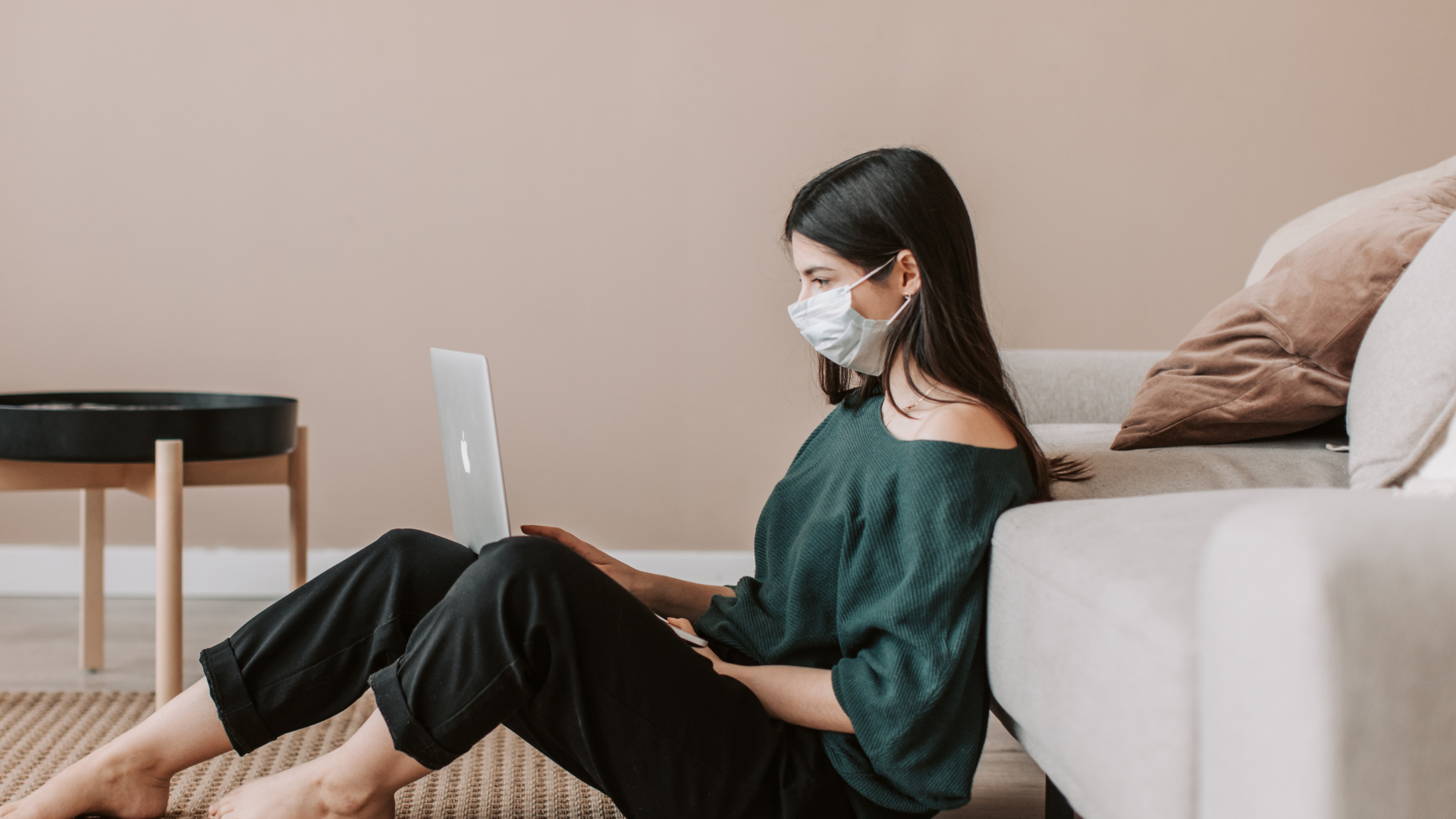
Most homeowners focus on visible rooms when thinking about air quality: living rooms, bedrooms, and kitchens. But the most significant contributor to indoor air often sits directly beneath your feet. When crawlspace conditions decline, indoor air quality often follows suit.
At Dogwood Crawlspaces, we help homeowners protect and improve crawlspace air quality by addressing moisture, airflow, and structural conditions at the source. As a locally owned company, we deliver faster response times and high-quality work through a dedicated team focused on doing the job right the first time.
This guide explains how crawlspace health affects the air you breathe, what warning signs to watch for, and how professional solutions create lasting improvement throughout the home.
A healthier crawlspace means cleaner air, better comfort, and long-term protection for your home’s structure.
Schedule a crawlspace air quality inspection with our team.
Air You Don’t See Still Affects You
Crawlspaces are often overlooked because they are hidden. But they are not isolated. Air moves constantly between the crawlspace and the living space above.
According to the Environmental Protection Agency, indoor air can be two to five times more polluted than outdoor air, mainly due to trapped moisture, biological contaminants, and poor airflow. When crawlspace conditions are compromised, those pollutants are pulled upward into the home.
This makes crawlspace air quality a foundational part of overall home health.
Moisture Changes the Air First
The most common threat to crawlspace air quality is moisture. Water enters crawlspaces through soil evaporation, foundation walls, plumbing leaks, and humid outdoor air. Once moisture settles, it changes the entire environment.
High humidity fuels:
- Mold and mildew growth
- Musty odors that rise into the home
- Bacteria and allergens
- Deterioration of insulation and wood\
Moisture doesn’t stay put. It travels upward, carrying contaminants. Even when no visible mold is present, elevated humidity alone can degrade indoor air quality.
Mold Doesn’t Stay Below the Floor
Mold growth in the crawlspace directly affects the air upstairs. Mold spores are microscopic and easily become airborne. Once active, they move through gaps, ductwork, and flooring penetrations.
Homeowners often notice symptoms before they see visible signs:
- Persistent musty smells
- Allergy flare-ups
- Sinus irritation
- Dry coughs or throat discomfort
- Headaches or fatigue
Improving crawlspace air quality reduces these airborne irritants at their source rather than masking symptoms indoors.
Insulation Plays a Bigger Role Than Expected
Insulation is often viewed as a temperature barrier, but it also impacts air quality. When insulation becomes damp, it traps moisture and organic debris, creating an ideal environment for mold growth.
Fallen or saturated insulation allows crawlspace air to move freely into the home. This increases exposure to humidity, odors, and allergens. Restoring insulation after moisture control is essential for maintaining healthy airflow and stable indoor conditions.
The Stack Effect Pulls Crawlspace Air Upward
In cooler months, warm air rises and escapes through the upper levels of the home. As it does, replacement air is pulled upward from the crawlspace. This natural movement is known as the stack effect.
If crawlspace air contains moisture, mold spores, or odors, those contaminants are drawn directly into the living space. This is why crawlspace air quality problems often feel worse during winter, even when windows remain closed. A sealed, conditioned crawlspace interrupts this cycle and protects indoor air.
Signs Crawlspace Air Quality May Be Affecting Your Home
Homeowners rarely associate these symptoms with crawlspace conditions, but they often originate below the floor:
- Musty or earthy odors indoors
- Cold or clammy floors
- Increased allergy symptoms
- Uneven indoor temperatures
- Rising heating or cooling costs
- Visible condensation on ducts or pipes
These signals indicate moisture and airflow issues that directly affect crawlspace air quality.
Get clarity on your crawlspace air quality with a professional inspection.
Vapor Barriers Create a Cleaner Foundation
One of the most effective ways to improve crawlspace air quality is by installing a properly designed vapor barrier. Soil releases moisture continuously, even when it looks dry. Without a barrier, that moisture rises into the crawlspace air.
- Block moisture from the ground
- Reduce humidity levels
- Limit mold growth
- Improve overall air quality
Unlike thin plastic sheeting, professional-grade barriers are reinforced, sealed, and secured to withstand long-term use.
Encapsulation Transforms the Crawlspace Environment
Encapsulation goes beyond moisture control. It transforms the crawlspace into a sealed, conditioned space designed to support healthy air.
Encapsulation systems typically include:
- Wall and floor vapor barriers
- Sealed vents and penetrations
- Controlled airflow
- Long-term humidity management
Once encapsulated, crawlspaces no longer allow contaminants to enter the home. Homeowners often notice immediate improvements in air freshness, comfort, and odor reduction.
Dehumidification Maintains Long-Term Air Quality
Even after sealing, some crawlspaces require active humidity control. Crawlspace-specific dehumidifiers regulate moisture levels and maintain consistent conditions year-round.
Proper humidity control:
- Prevents mold reactivation
- Protects insulation and wood
- Stabilizes air quality
- Reduces odor formation
Dehumidifiers designed for crawlspaces operate efficiently in cooler environments and integrate seamlessly with encapsulated systems.
Structural Health Supports Air Quality
Air quality and structural integrity are closely connected. Damp wood releases odors, supports mold growth, and attracts pests. Over time, structural damage also creates gaps that allow contaminated air to move freely into the home.
By keeping structural components dry and stable, crawlspace air remains cleaner and safer to circulate.
Pest Ac tivity Impacts Air Conditions
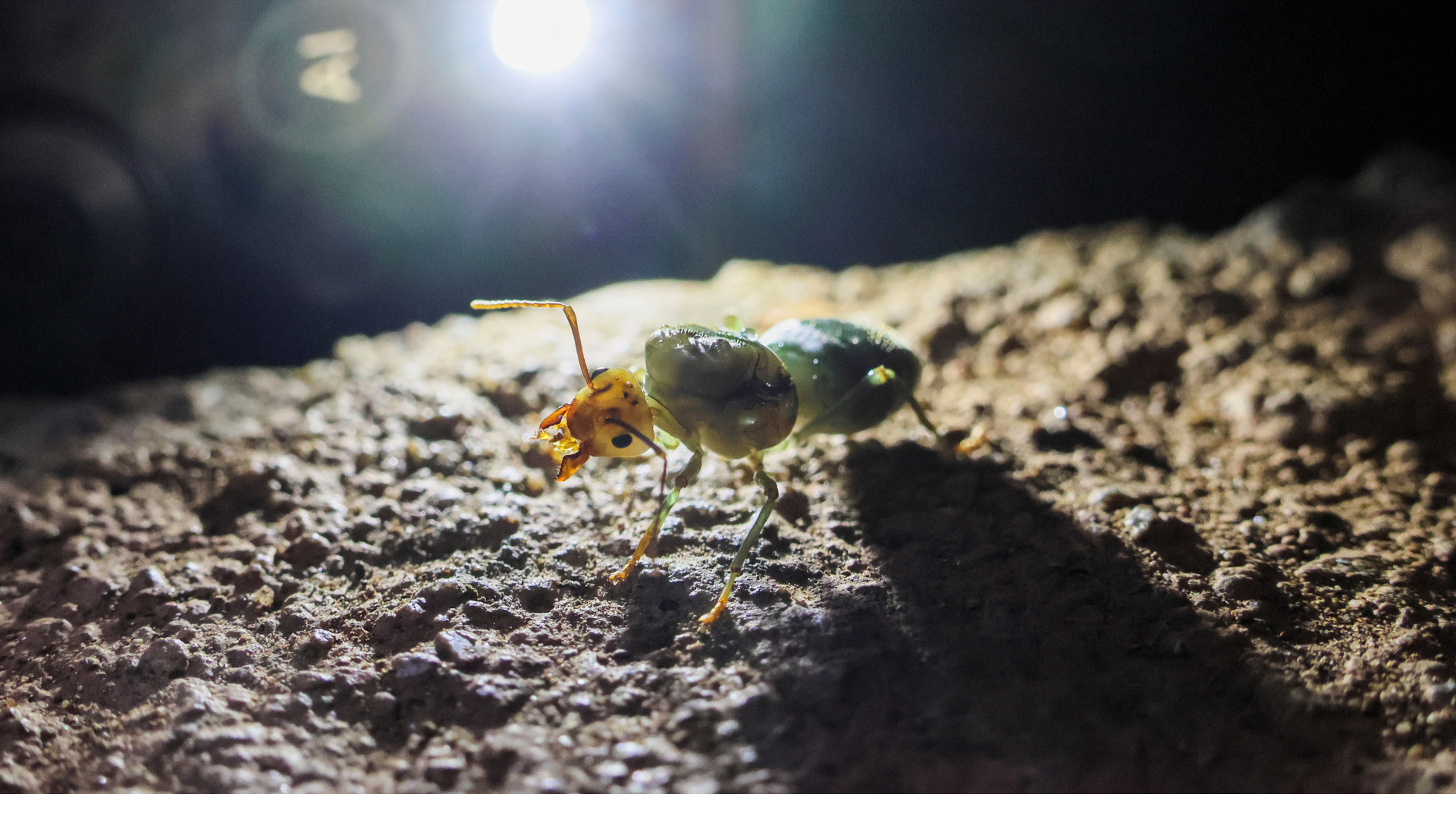

Pests are drawn to moist crawlspaces. Their presence introduces droppings, nesting materials, and additional moisture. This degrades air quality and accelerates damage.
Moisture control, sealing, and proper insulation reduce pest activity and remove conditions that compromise crawlspace air quality.
Why Professional Evaluation Matters
Crawlspace air quality issues rarely have a single cause. Moisture, airflow, insulation, and structure all interact. Addressing only one factor often leads to recurring problems.
At Dogwood Crawlspaces, evaluations focus on the complete crawlspace environment. We identify where moisture enters, how air moves, and what solutions will provide lasting improvement. Our recommendations are tailored, honest, and designed for North Carolina homes.
Long-Term Benefits of Improved Crawlspace Air Quality
 When crawlspace conditions improve, homeowners experience benefits throughout the home:
- Cleaner, fresher indoor air
- Reduced allergy and irritation symptoms
- More consistent indoor temperatures
- Lower energy costs
- Increased structural longevity
- Greater peace of mind
Crawlspace air quality improvements protect both health and home value.
A Healthier Home Starts Below the Floor
Crawlspaces influence far more than most homeowners realize. Air quality, comfort, energy efficiency, and structural health all begin below the living space. Ignoring crawlspace conditions allows problems to spread quietly.
By improving crawlspace air quality, homeowners create a cleaner, safer environment that supports the entire home.
Book your crawlspace air quality consultation with us today.