


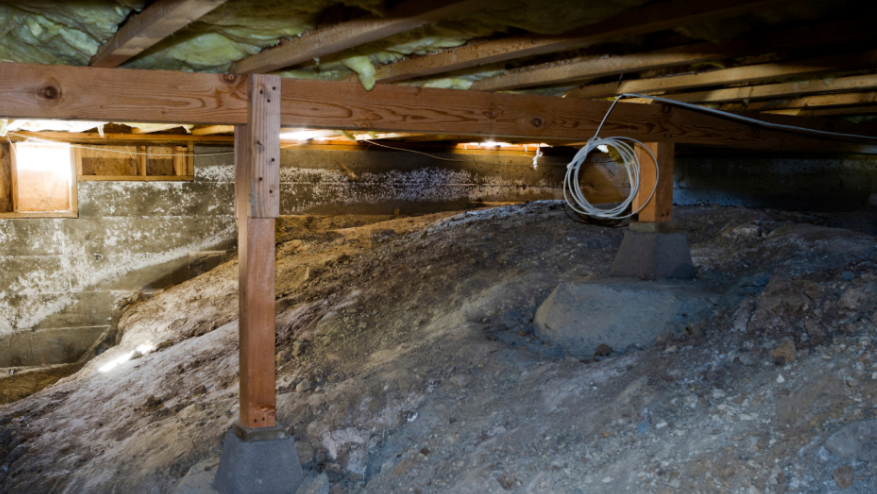
Most homeowners assume moisture is a warm-weather issue. Summer humidity, rainy seasons, and muggy North Carolina afternoons make it easy to picture a crawl space filling with damp air. But winter brings its own challenges, and in many cases, the cold months quietly worsen crawlspace moisture without the homeowner realizing it.
Even in colder weather, moisture continues to move. It rises through soil, settles on cold surfaces, and condenses on wood and insulation. The result is slow damage that often goes unnoticed until repairs become expensive.
At Dogwood Crawlspaces, we see many winter moisture issues that start small and then turn into structural concerns, indoor air quality problems, and higher energy bills. Addressing moisture early protects floors, insulation, and the foundation while keeping your home healthier.
We provide solutions that stop moisture at its source so your home stays stable, efficient, and dry all winter.
Here, you will learn how cold weather continues to create crawlspace moisture and what that means for your home.
Schedule your crawlspace inspection today.
Cold Air Does Not Stop Moisture Movement
Moisture follows temperature differences. When warm indoor air meets cold air in the crawl space, condensation forms along joists, subflooring, insulation, and metal ducts. The exact process that causes a cold soda can to sweat on a warm day also happens in your crawl space all winter long.
Warm air from your living space escapes downward through cracks and gaps. Once it reaches colder surfaces, it cools rapidly. Cool air cannot hold as much moisture as warm air, so the excess moisture becomes droplets that cling to wood and fiberglass insulation. Over time, this creates pockets of dampness that lead to mold and wood decay.
Even homes with closed vents can experience this. Winter airflow is subtle, but there is enough temperature variation to trigger moisture buildup under the right conditions.
Winter Rainfall Keeps Soil Moisture High
Many homeowners do not realize that North Carolina winters are often wetter than expected. Rainfall does not disappear quickly because cold temperatures slow evaporation. The ground remains moist much longer, and that moisture rises into the crawl space.
When soil stays wet, relative humidity in the crawl space increases, even when outside air feels dry. Over time, this raises humidity levels above 60 percent, the threshold at which mold becomes active.
According to the Environmental Protection Agency, indoor mold begins to grow when humidity consistently exceeds 60 percent, which is common in untreated crawl spaces during the winter months. This means that even a single rainy week can trigger a chain reaction beneath your home.
Insulation Performs Worse When Moisture Builds Up
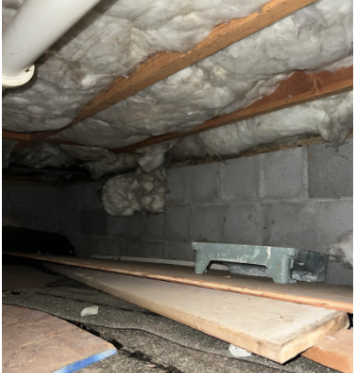 Winter is when your insulation should work hardest, but moisture makes that problematic. Damp fiberglass loses its ability to trap heat, which forces your HVAC system to run longer to keep your home comfortable. As insulation sags or holds water, cold air begins seeping into the floor above, creating drafts and causing uneven temperatures in bedrooms and living spaces.
Homeowners often assume the problem lies with their heating system, but the issue often begins in the crawl space. When insulation becomes saturated, it also becomes a sponge for mold and odors that travel upward into the home.
Cold Weather Exposes Wood to Long-term Weakness
Wood rot does not happen overnight, but winter accelerates hidden decay. When condensation repeatedly forms and dries on wooden joists, it causes long-term weakening of the structure. The wood expands as it absorbs moisture and contracts as it dries, creating stress fractures that eventually compromise the stability of your home.
Combining low temperatures with high humidity is especially damaging because the moisture stays trapped longer. The crawl space becomes a slow-cycle humidity chamber where water never fully evaporates.
This can lead to:
- soft or bouncy floors
- persistent musty odors
- visible mold patches
- gaps between flooring and trim
- pest attraction due to damp wood
When these winter symptoms show up, moisture is usually the root cause.
The Stack Effect Pulls Winter Moisture Upward
In winter, the warm air inside your home rises. As that air escapes through the attic or upper floors, your home automatically pulls air upward from the crawl space to replace it. This process is known as the stack effect.
If your crawl space contains moisture, odors, or mold spores, the stack effect can bring them into your living space. Even if you do not smell anything substantial, the air quality inside the home is affected. Families often notice winter allergies, sinus irritation, or dry coughs before realizing the source of the problem is the crawl space.
This makes winter a critical time to maintain a sealed, dry, healthy lower level.
The Best Season to Confront Crawlspace Moisture Problems
Many homeowners wait until spring to handle crawl space repairs, but winter is often the ideal season for inspection and waterproofing. The moisture patterns you see in winter help technicians identify where condensation is forming, which areas have air leaks, and how the soil is behaving under colder conditions.
At Dogwood Crawlspaces, we provide moisture-control solutions that remain effective year-round. Winter inspections allow our team to catch early signs of mold, insulation failure, and structural issues before they worsen during the humid summer.
A dry crawl space in winter means:
- stronger support beams and joists
- lower heating bills
- cleaner indoor air
- reduced risk of mold growth
- better protection for ducts and HVAC equipment
This creates a healthier home heading into spring, when moisture becomes even more aggressive.
What Homeowners Can Do Right Now
If you are unsure whether winter is affecting your crawl space, these signs usually point to moisture problems:
- musty odors when the heat turns on
- cold floors, even with proper insulation
- visible condensation on ducts or pipes
- higher winter heating bills
- soft or uneven floors
- pests during colder months
Addressing these symptoms early prevents more expensive repairs later.
Professional Waterproofing Creates Year-Round Protection
Winter problems require long-lasting solutions. Encapsulation, vapor barriers, dehumidifiers, drainage improvements, and structural repairs are all methods that create a dry, stable environment beneath your home.
At Dogwood Crawlspaces, we tailor our recommendations to your home so you get exactly what you need. Our work is built to last and designed for North Carolina’s climate. When your crawl space stays dry in winter, your entire home becomes stronger, healthier, and more efficient.