


Summary
Seeing standing water or damp areas after rain? Learn the warning signs that indicate you may need a sump pump to protect your crawl space or basement.
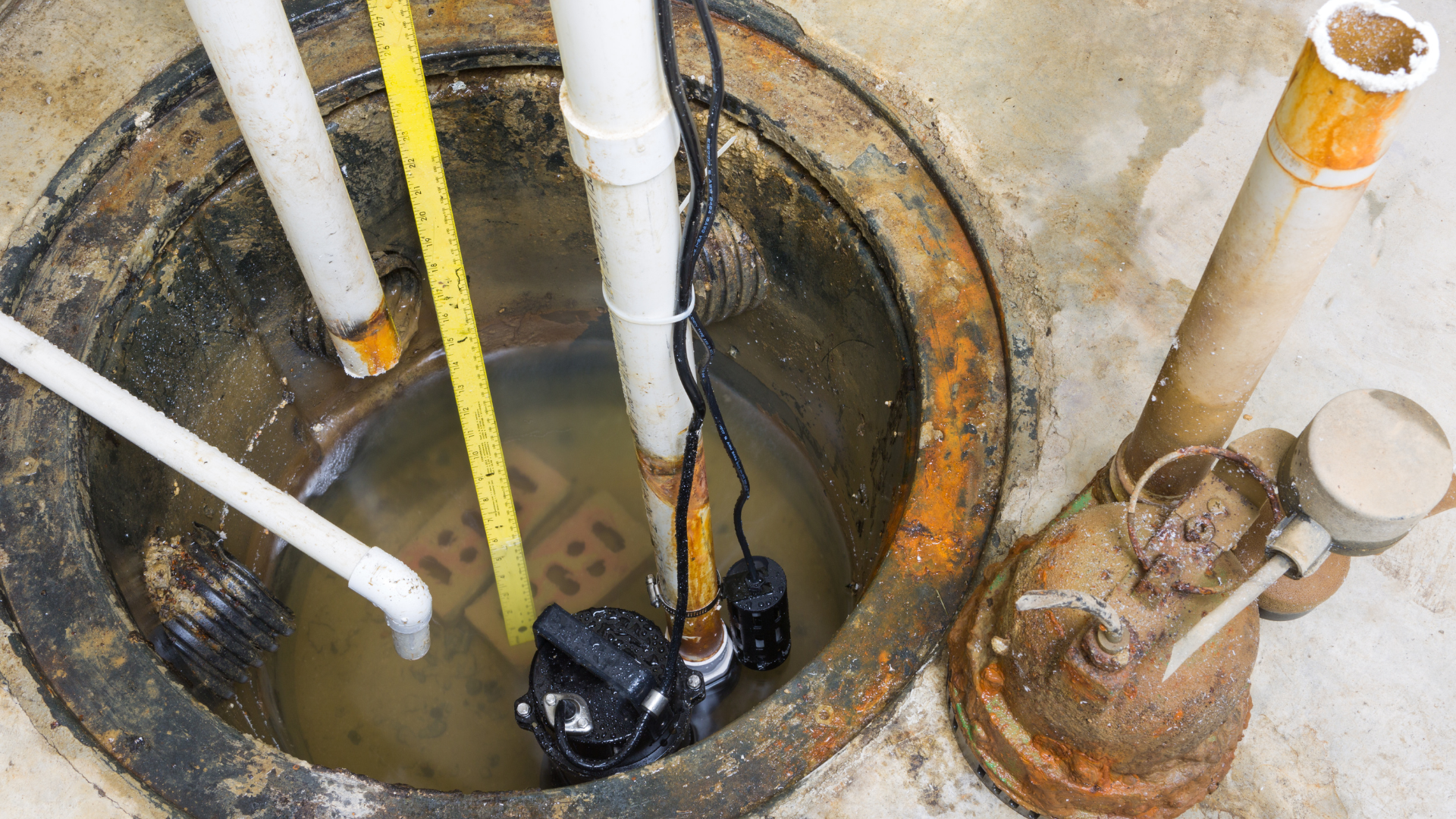
Water issues under a home can go unnoticed until the damage is obvious. Homeowners might smell something musty, see damp soil, or find puddles after it rains and hope the problem will go away. Many homes with crawl spaces experience water intrusion that gradually compromises comfort, air quality, and building materials, which could all be fixed with a sump pump.
A sump pump provides a defined exit path for water and helps homeowners manage moisture before conditions worsen. Understanding the warning signs helps homeowners decide when to explore drainage options. A sump pump does not solve every moisture concern, but it plays a critical role when water collects beneath a home.
If you see water after it rains or notice dampness that never dries, scheduling a water intrusion inspection can help you understand the problem. You can book a free water intrusion Inspection to find out what’s happening under your home and what solutions are available.
Why Water Collects Beneath Homes
When it rains, the soil around your foundation soaks up water. Once the soil is full, excess water seeks the lowest spot, which is often a crawl space or a basement. Poor grading, heavy clay soil, blocked drains, or a high water table can all lead to ongoing moisture problems.
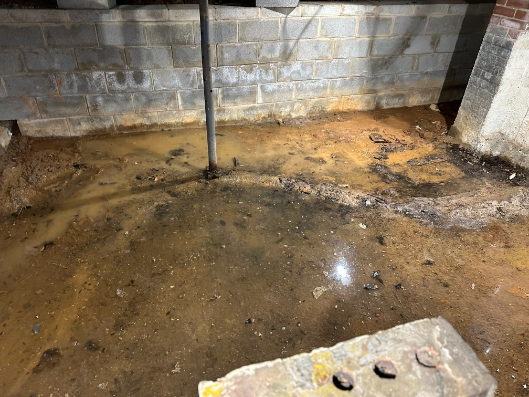 Water that gets into a crawl space doesn’t stay put. The moisture raises humidity, moves up into living spaces, and can damage things like wood framing and insulation. Many homeowners notice smells or comfort problems before they actually see water.
A sump pump helps control groundwater by collecting it and moving it away from your foundation. Drainage systems direct water to the pump, which then sends it to a safe place outside.
After Rain Signs That Point to a Sump Pump Need
Rain can reveal how well your crawl space handles water. Watch for changes in the days after a storm.
- Standing water or damp patches that linger longer than forty-eight hours
- Waterline marks or tide lines on foundation walls or support piers
- Efflorescence that appears as white chalky deposits along masonry edges
These signs indicate that water is entering the crawl space faster than it can dry out or drain away. A sump pump actively removes water rather than letting it sit and slowly evaporate.
Moisture and Air Clues Inside the Home
Water under a home can affect indoor air quality and comfort. Crawl space humidity influences the entire structure.
- Relative humidity in the crawl space stays above sixty percent
- Musty odors rise through floor vents or gaps
- Ductwork shows condensation, or insulation feels damp
- Metal hardware shows surface rust
These conditions often accompany standing water or slow drainage beneath the home. A sump pump addresses the source of moisture rather than masking the symptoms.
Structural and System Warning Signs
Water exposure affects materials over time. Structural clues often appear gradually.
- Flooring above the crawl space feels soft or cupped
- Insulation sags or shows signs of rot
- Wood joists show discoloration or visible mold growth
- An existing sump pump cycles frequently, runs loudly, or trips a GFCI outlet
If your sump pump system isn’t working well, it might need to be checked, resized, or replaced. A water intrusion inspection can show if the drainage or pump parts need to be fixed.
Discharge and Backup Red Flags
Some conditions require prompt evaluation to prevent further complications.
- Standing water with visible mold growth
- Flood risk near mechanical systems such as HVAC equipment or water heaters
- Repeated basement water entry during moderate rainfall
Homeowners who recognize two or more warning signs often benefit from a professional review.
If two or more items apply, book a Free Water Intrusion Inspection to understand the next steps.
How a Sump Pump Fits Into Moisture Management
A sump pump works best as part of a coordinated moisture-control approach. Drainage channels guide water to the pump basin. The pump moves the collected water away from the home. Encapsulation reduces ground vapor and outside air infiltration.
Each part of the system works together. If you have drainage but no way to remove water, it can build up. If you encapsulate without drainage, moisture gets trapped under the liner. The sump pump completes the system by removing water.
Homeowners often pair sump pump installation with crawl space encapsulation to manage moisture in the long term.
What Happens During a Water Intrusion Inspection
A water intrusion inspection examines how water enters the crawl space and where it goes once inside. The inspector checks soil conditions, foundation walls, drainage paths, and signs of moisture.
The inspection also checks if your current systems can handle the amount of water present. The results help you see if a sump pump is right for your home and how it would work with your existing drainage or encapsulation.
This evaluation doesn’t assume there’s only one answer. The inspection gives you information to help you decide what to do.
Common Misunderstandings About Sump Pumps
Many homeowners hesitate to consider a sump pump due to misconceptions.
Some homeowners believe surface drains alone solve water problems. Drainage systems move water but do not remove it from the site.
Some homeowners think sump pumps only belong in basements. Crawl spaces often benefit equally from active water removal.
Some homeowners expect sump pumps to eliminate all moisture. Sump pumps address liquid water but work best when paired with vapor control strategies.
Knowing these differences helps you set realistic expectations and find the right solutions.
How to Decide Whether to Explore Installation
Homeowners benefit from asking a few practical questions:
- Does water appear after rain and remain visible?
- Do odors or humidity issues return despite ventilation or dehumidifiers?
- Does the crawl space show repeated moisture related wear?
If your answers suggest ongoing water problems, it may be time to consider a sump pump. A water intrusion inspection can show how much you need it and if it’s the right choice.
A Clearer Path Forward Starts With Information
Water under a home usually doesn’t go away by itself. Standing water, moisture, and poor drainage can hurt comfort and building materials over time. A sump pump provides a reliable way to manage groundwater and support other moisture-control steps.
Dogwood Crawlspaces helps homeowners learn about their crawl space conditions through inspections and education. With the right information, you can choose solutions that fit what’s happening under your home.
If you’re still worried about standing water or crawl space moisture, schedule a free water intrusion inspection to get answers and a plan before the next big rain.