


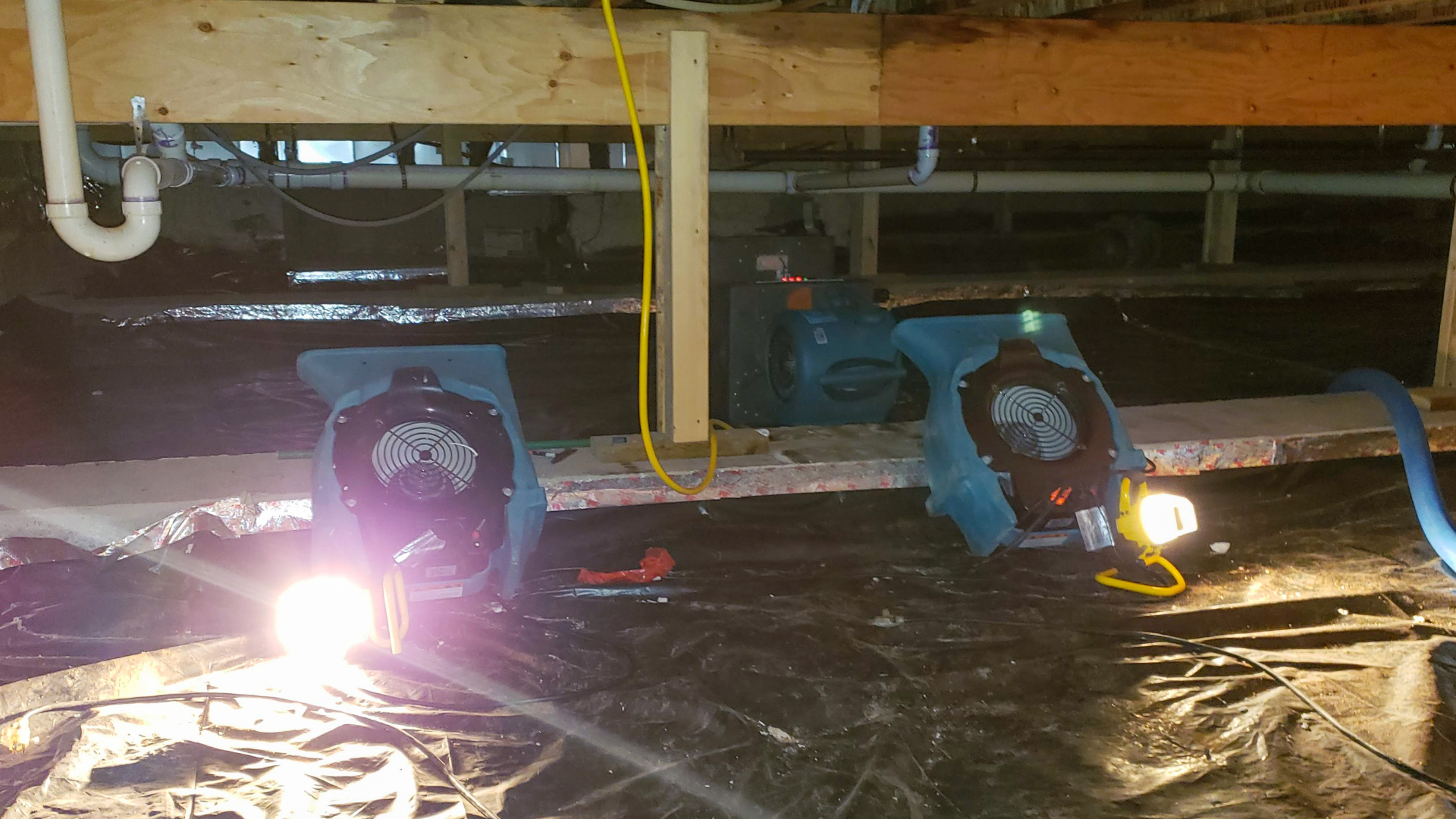
Most homeowners don’t think about what’s happening beneath their floors until something feels wrong. The crawlspace is out of sight, quiet, and easy to ignore. But neglecting it carries real consequences that affect the structure, air quality, comfort, and long-term value of your home.
At Dogwood Crawlspaces, we see this pattern every day. Minor moisture issues can turn into major repairs if they go unnoticed or unaddressed. The cost of crawlspace repair is rarely about a single fix. It’s the result of problems compounding over time.
Our approach is different. We focus on stopping moisture at its source, using durable systems designed for North Carolina homes. That means fewer repeat issues, more precise recommendations, and solutions that actually last.
Schedule a professional crawlspace inspection with us.
Minor Moisture Problems Don’t Stay Small
Crawlspace damage starts quietly. A damp patch of soil. A faint musty smell. Insulation that no longer sits flush. These signs don’t feel urgent, which is precisely why they become expensive later.
Moisture moves continuously. It rises from the ground, settles on cooler surfaces, and spreads into wood framing and insulation. Over time, those early warning signs evolve into rot, mold growth, and structural weakening. At this stage, the cost of crawlspace repair increases quickly.
Moisture Is the Main Cost Multiplier
Nearly every major crawlspace repair can be traced back to moisture. Once water and humidity take hold, they affect multiple systems at once.
Structural Wood Damage
Floor joists and beams slowly absorb moisture. Repeated wet and dry cycles weaken wood fibers, leading to cracking, sagging floors, and eventually requiring structural repairs.
Reinforcing or replacing damaged framing is one of the most expensive crawlspace repairs homeowners face.
Mold Growth and Remediation
When humidity stays elevated, mold becomes active. According to the Environmental Protection Agency, mold growth is likely when indoor humidity remains above 60 percent for extended periods. Untreated crawlspaces often exceed this threshold, especially during wet or cold seasons. Mold remediation adds high cost and increases health concerns.
Insulation Failure
Wet insulation stops working. It compresses, falls, and loses its ability to regulate temperature. Replacing insulation increases the cost of crawlspace repair and often reveals deeper moisture problems beneath.
Air Quality Problems Reach Living Spaces
Crawlspace issues don’t stay contained below the home. Warm air rises, drawing air from the crawlspace through the stack effect. When moisture, mold spores, or odors are present, they enter the living space.
Homeowners often notice:
- Persistent musty smells
- Increased allergy or sinus symptoms
- Dry coughs during heating season
- Uneven indoor comfort
These issues create ongoing discomfort and stress. While they may not appear as direct repair costs, they represent a real impact on daily life.
Energy Loss Quietly Drains Your Budget
Moisture-damaged insulation and air leaks force HVAC systems to work harder. Floors feel colder in winter; cooling struggles in summer. Over time, energy bills climb while comfort drops.
Higher energy usage increases the long-term cost of crawlspace repair by adding wear to HVAC equipment and shortening system lifespan. Many homeowners spend years paying higher utility bills without realizing the crawlspace is the root cause.
 Pest Damage Accelerates Structural Decline
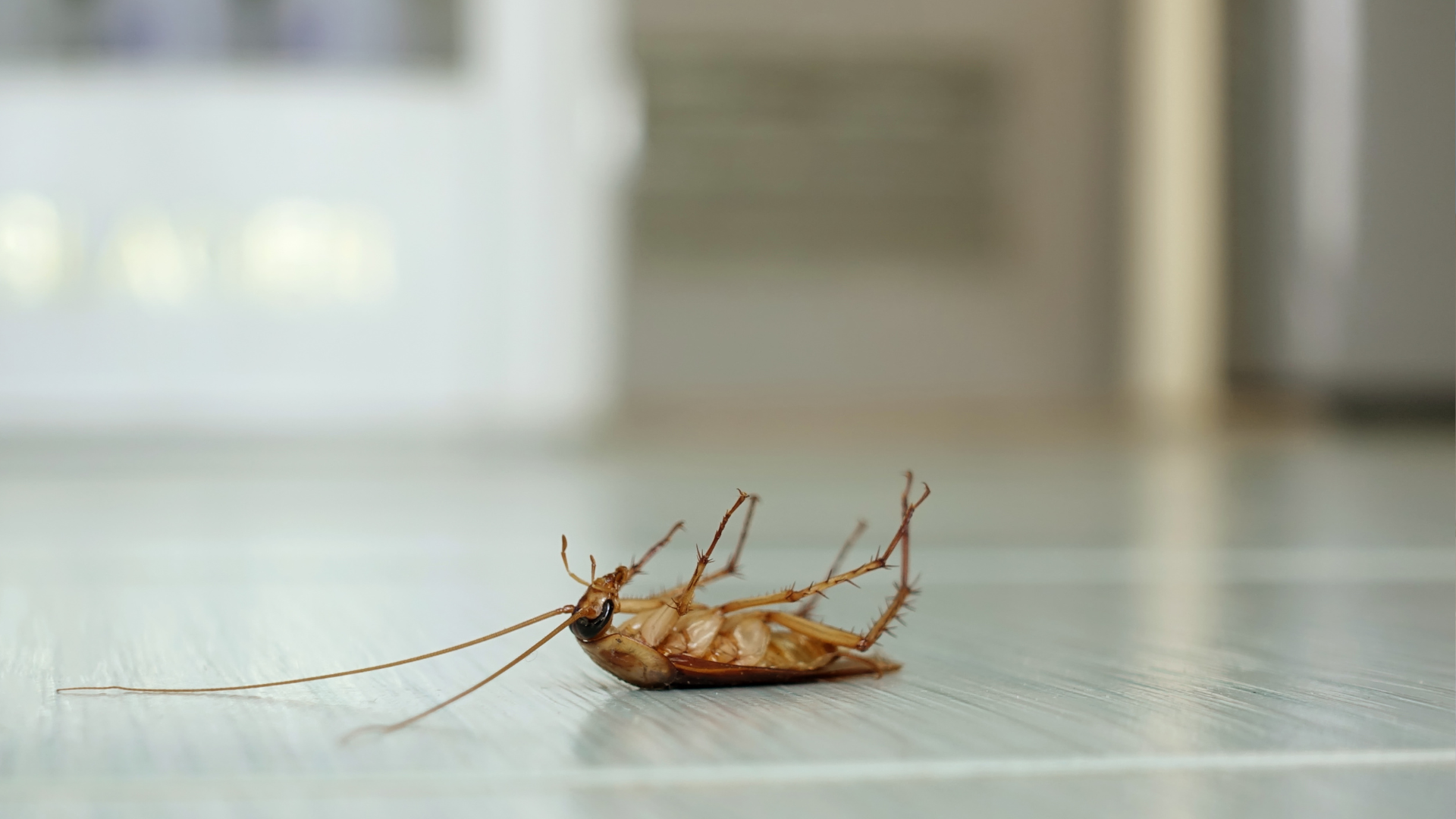
Moist crawlspaces attract pests. Termites, ants, rodents, and other insects are drawn to damp wood and insulation. Once established, pests worsen damage by chewing insulation, spreading moisture, and weakening framing.
Pest-related damage compounds repair costs because multiple issues must be addressed at once: moisture control, structural repair, insulation replacement, and pest exclusion.
Prevention Costs Less Than Restoration
Timing is the most significant factor in the cost of crawlspace repair. Early action focuses on prevention. Delayed action requires restoration.
Preventative solutions often include:
- Vapor barriers
- Drainage improvements
- Sealing air leaks
- Dehumidification
Neglected crawlspaces may require:
- Structural reinforcement
- Mold remediation
- Insulation replacement
- Pest damage repair
The cost difference between these two paths can be substantial.
Seasonal Exposure Makes Damage Worse
Each season adds stress to an untreated crawlspace. Winter condensation weakens wood. Spring rain saturates the soil. Summer humidity fuels mold growth. When crawlspaces remain neglected across multiple seasons, damage compounds faster than most homeowners expect.
By the time visible symptoms appear, the cost of crawlspace repair is rarely minor.
 Inspections Prevent Expensive Surprises
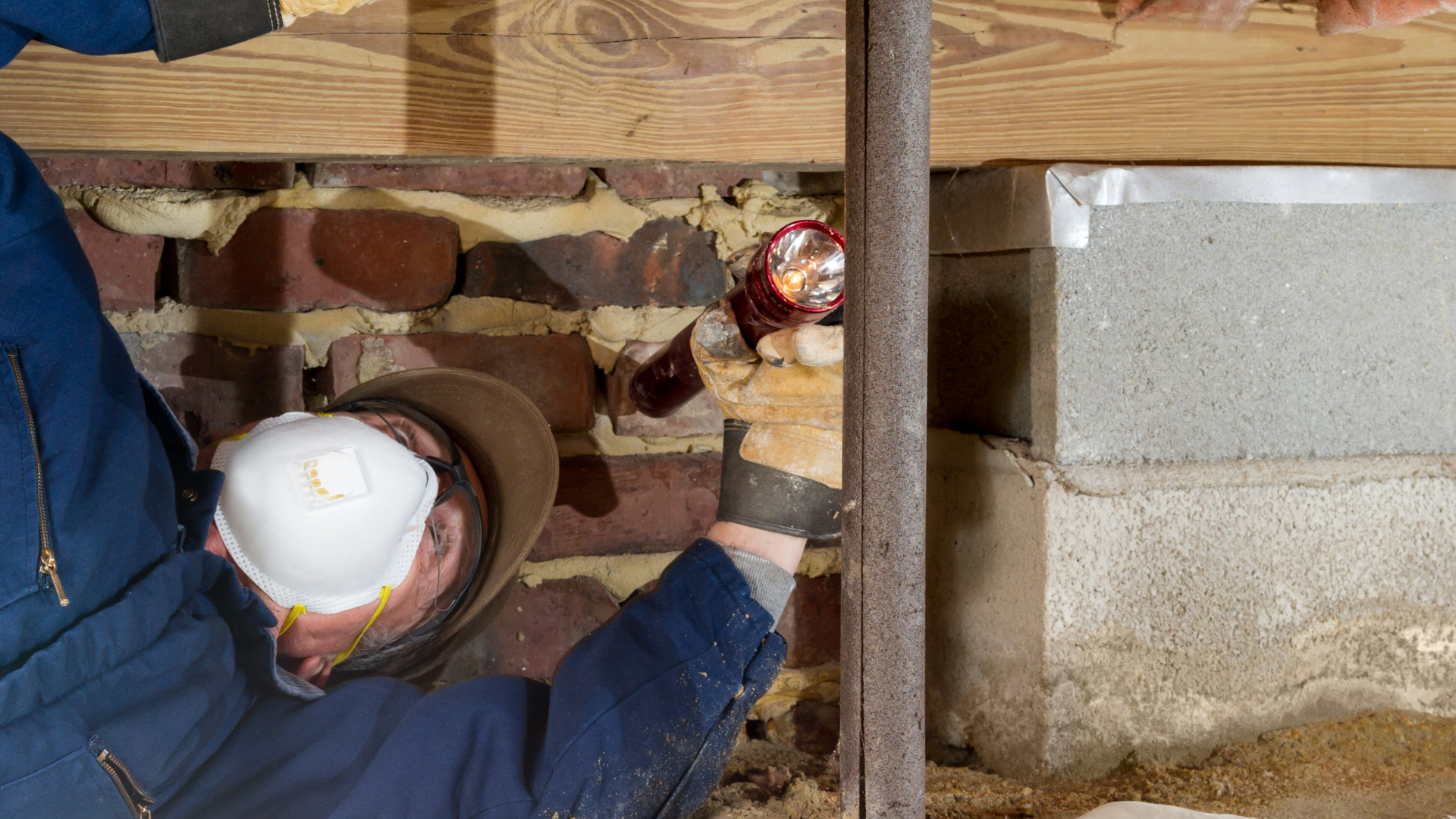
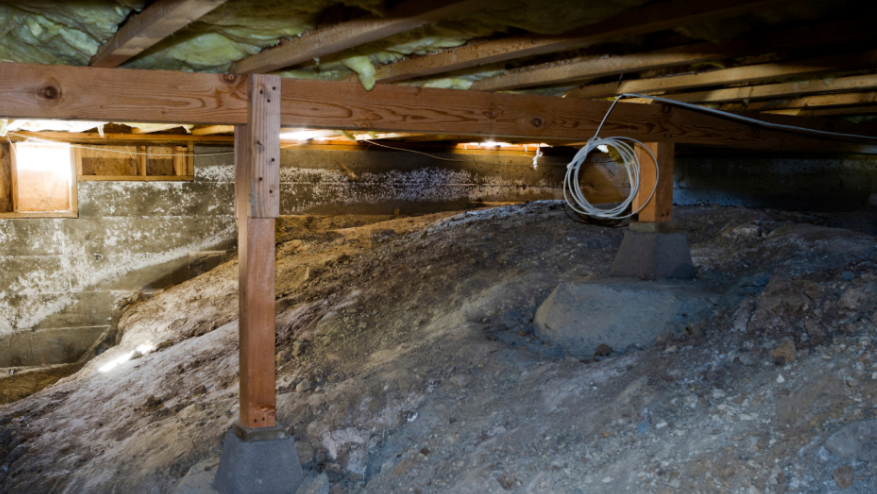
Routine inspections reduce long-term repair costs by identifying problems early. A thorough crawlspace inspection reveals moisture sources, insulation condition, wood integrity, and airflow patterns.
At Dogwood Crawlspaces, inspections focus on clarity and honesty. We document conditions, explain what they mean, and recommend only what the home truly needs. This prevents unnecessary work and helps homeowners plan confidently rather than react to emergencies.
The Emotional Cost of Ignoring the Crawlspace
Beyond finances, neglect of the crawlspace creates uncertainty. Soft floors, unexplained odors, rising bills, and mold concerns erode peace of mind. Homeowners often sense something isn’t right but don’t know where to start.
A dry, stable crawlspace restores confidence. Floors feel solid. The air feels cleaner. Comfort becomes consistent again.
Protecting Home Value Starts Below the Floor
Crawlspace conditions affect resale value, inspections, and buyer confidence. Moisture damage and structural concerns complicate sales and reduce negotiating power. Addressing issues early protects the home’s long-term value and prevents costly surprises later.
Understanding the actual cost of crawlspace repair means recognizing that prevention is always more affordable than neglect.
Book a crawlspace inspection with our team and stop costly damage before it spreads.