


By the time spring rains arrive in North Carolina, crawlspace moisture problems are often already in motion. Winter condensation, damp soil, and fluctuating temperatures quietly set the stage beneath the home. When heavier rain follows, crawlspaces that were already vulnerable tip into active moisture damage.
January through March is the smartest time to plan crawlspace encapsulation in North Carolina. Q1 gives homeowners a window to stabilize conditions before rain, humidity, and groundwater pressure increase across the Piedmont, Triad, Triangle, and surrounding areas.
Encapsulation isn’t a reaction. It’s preparation. Homes that wait until spring often deal with visible moisture, mold growth, insulation failure, and rising repair costs. Homes that plan early stay dry, stable, and protected.
Plan before spring moisture hits. Schedule your crawlspace encapsulation evaluation today.
Crawlspace Encapsulation Works Best When Planned in Q1
Winter reveals how a crawlspace truly behaves. Condensation patterns, cold surfaces, damp soil, and airflow issues are easier to identify before everything is masked by summer heat.
During Q1, crawlspace problems are easier to diagnose accurately and correct appropriately.
In areas like Winston-Salem, Greensboro, and Raleigh, winter moisture often lingers longer than homeowners expect. Clay-heavy soil holds water. Evaporation slows. Crawlspaces stay damp even when the outdoor air feels dry. These conditions indicate whether a crawlspace is well sealed enough to withstand spring.
Encapsulation completed in Q1 means your crawlspace is already protected when spring rains begin saturating the ground.
Crawlspace Encapsulation North Carolina Homes Actually Need
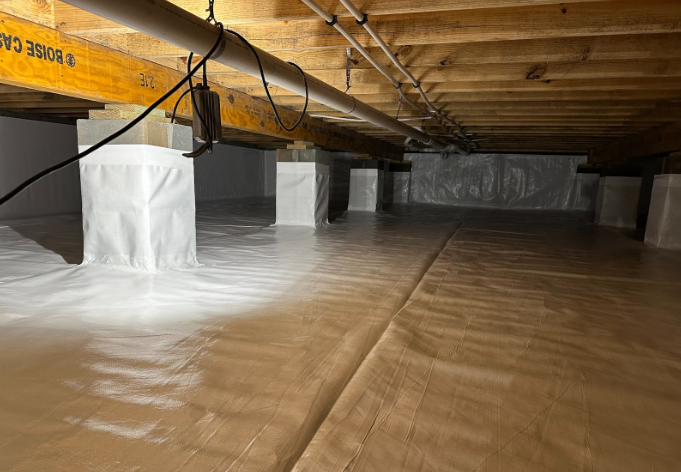
Crawlspace encapsulation is more than covering the ground. It’s a system designed to control moisture, air, and temperature beneath the home.
In North Carolina, encapsulation typically includes a reinforced vapor barrier across the floor and walls, sealed vents and penetrations, controlled airflow, and long-term humidity management. When done correctly, the crawlspace becomes a clean, dry, stable extension of the home rather than a source of ongoing problems.
Homes across the Triad and Triangle that rely on vented crawlspaces often struggle because venting allows humid outdoor air to enter during spring and summer. Encapsulation closes that loop and prevents moisture from cycling in and out.
Encapsulation Before Spring Protects the Entire Home
Crawlspace encapsulation impacts far more than what’s below the floor. When moisture is controlled early, homeowners experience benefits throughout the home.
Indoor air stays cleaner because damp air and odors aren’t pulled upward. Floors feel warmer and more stable. Heating and cooling systems operate more efficiently. Wood framing and insulation last longer. Pest pressure drops because damp conditions are removed.
These improvements are especially noticeable in older North Carolina homes where crawl spaces were built with outdated venting systems.
Q1 Encapsulation Planning Timeline (January–March)
Planning crawlspace encapsulation in Q1 allows homeowners to move from observation to protection before spring moisture arrives. Breaking the process into January, February, and March helps ensure the crawlspace is evaluated, designed, and sealed at the right time for long-term performance.
January: Assess and Expose Weak Points
January is the best time to see how your crawlspace performs under stress. Cold temperatures make condensation patterns easy to spot on ducts, framing, and insulation. Damp soil and lingering moisture reveal whether vapor barriers, insulation, and airflow are doing their job.
This month is ideal for identifying:
- Air leaks and gaps
- Moisture sources and condensation points
- Insulation failure or sagging
- Early structural concerns
Catching these issues early prevents spring rainfall from masking or worsening existing problems.
February: Design the Right Encapsulation Strategy
By February, crawlspace conditions are clear enough to determine the most effective solution. Moisture trends, airflow behavior, and insulation performance help define whether encapsulation alone is sufficient or if drainage, sealing, or dehumidification should be included.
Planning during this month allows:
- Proper system design without rushing
- Materials and scope to align correctly
- Solutions tailored to your home’s soil, layout, and regional climate
This ensures the encapsulation system is built for long-term performance, not short-term relief.
March: Install Before Spring Rains Arrive
March is the execution window. Completing crawlspace encapsulation before consistent spring rainfall helps block groundwater moisture and prevents humidity from spiking beneath the home.
Homes encapsulated in March enter the wettest part of the year:
- Protected from rising moisture
- Structurally stable
- Insulation-ready
- Less vulnerable to mold and air quality issues
Installing before spring rain arrives keeps moisture problems from escalating when conditions become more aggressive.
Dogwood Crawlspaces Takes a Proactive Q1 Encapsulation Approach
At Dogwood Crawlspaces, we’ve seen firsthand how early encapsulation prevents expensive spring repairs. Homes that plan in Q1 avoid the rush, reduce moisture damage, and enter spring protected.
Our local team focuses on:
- Moisture control strategies built for North Carolina conditions
- Sealing methods that limit air and water intrusion
- We design crawlspace systems for long-term performance, not temporary relief
- Faster response times through a small, dedicated crew
- High-quality workmanship without shortcuts or one-size-fits-all solutions
Encapsulation recommendations are based on how your crawlspace actually behaves throughout the seasons, ensuring the solution fits your home, soil, and climate.
North Carolina Climate Makes Early Action More Valuable
North Carolina’s climate doesn’t offer a true dry season. Even winter brings rainfall and condensation. Spring adds heavier rain. Summer delivers sustained humidity. Fall introduces temperature swings that drive moisture movement.
Crawlspace encapsulation: North Carolina homeowners must handle it all. Q1 planning ensures the crawlspace is ready for the most aggressive moisture period of the year rather than reacting to it.
Homes in the Piedmont and Triad often see moisture patterns repeat annually. Addressing them early breaks that cycle.
Encapsulation Supports Energy Efficiency Going Into Warmer Months
Encapsulation installed in Q1 helps homes transition smoothly into warmer weather by stabilizing conditions beneath the floor.
Homeowners benefit from:
- Consistent insulation performance in rising temperatures
- Reduced heat and moisture transfer from the crawlspace
- Cooler indoor air stays inside longer during summer
- Less strain on HVAC systems during peak cooling months
- Lower energy bills as cooling demands increase
By sealing and drying the crawlspace early, energy efficiency improvements continue to build throughout the warmer months.
 Signs Your Crawlspace Should Be Addressed Before Spring
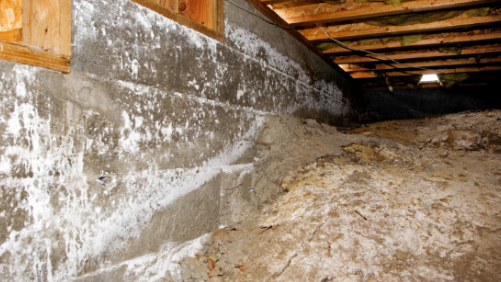
Many homeowners don’t realize their crawlspace is already struggling until spring makes problems visible. Winter often reveals early warning signs of moisture issues beneath the home.
Common signs include:
- Musty odors when the heat runs
- Condensation on ducts or pipes
- Cold or uneven floors
- Persistent dampness beneath the home
These conditions typically worsen once spring rain arrives. Addressing them during Q1 helps prevent further damage and reduces the need for more extensive repairs later.
Encapsulation Creates Stability Instead of Seasonal Stress
A properly encapsulated crawlspace doesn’t fluctuate wildly with the weather. Moisture stays controlled. Airflow is predictable. Structural materials stay dry. Insulation performs as intended.
This stability is what protects homes year after year. Instead of reacting to every season, homeowners gain consistency and peace of mind.
Local Knowledge Matters for Encapsulation Success
Crawlspace conditions vary by soil type, elevation, and construction style. Homes in Greensboro behave differently from homes in Raleigh. Older homes differ from newer construction. Cookie-cutter solutions don’t account for these differences.
At Dogwood Crawlspaces, our local experience allows us to tailor encapsulation systems to the realities of North Carolina homes. We look at moisture sources, airflow, insulation conditions, and long-term performance goals before recommending a solution.
Encapsulation Is an Investment in Long-Term Protection
Crawlspace encapsulation protects structural integrity, indoor air quality, energy efficiency, and home value. When installed before moisture damage escalates, it reduces future maintenance and repair costs. Homes that plan early benefit more in the long run and spend less over time.
Beat spring rains before they reach your crawlspace. Schedule your crawlspace encapsulation with our team today.