


Protect Your Home Through Cold Weather with a Clean, Dry Crawlspace
Winter exposes crawlspace issues that stay hidden for most of the year. As temperatures drop, moisture pushes into wood, insulation becomes less effective, and odors and drafts rise into the home. In North Carolina, cold spells paired with humidity make winter the season when crawlspace problems reveal their actual severity.
Cold weather amplifies existing issues; it doesn’t create them. A winter-ready crawlspace keeps your home stable, efficient, and protected.
Seasonal maintenance helps homeowners avoid costly spring repairs, structural damage, and indoor air quality problems.
At Dogwood Crawlspaces, the goal is simple: empower homeowners with clear steps to check the health of their crawlspace before winter weather makes minor issues worse.
Winter Stressors that Impact Your Crawlspace
Colder temperatures, combined with moisture, frozen soil, and changes in airflow, create an environment where crawlspace vulnerabilities worsen quickly.
Homeowners often notice:
- Cold or uneven floors
- Higher heating bills
- Condensation on pipes
- Musty odors are moving into living areas
- Damp or sagging insulation
- Pest activity as animals seek warmth
- Soft soil or moisture pockets
- Mold returning during warm breaks
- Drafts rising from below the home
These signs indicate problems with humidity, airflow, or insulation performance. Winter accelerates the damage, making seasonal maintenance an essential part of cold-weather crawlspace prep.
A short inspection now prevents expensive repairs later.
Cold Weather Reveals What Your Crawlspace Needs
A winter crawlspace maintenance routine protects your structure, improves indoor comfort, and reduces long-term costs. During colder months, early warning signs become easier to spot, giving you an advantage before moisture and cold air create extensive damage.
Homeowners who perform winter crawlspace maintenance often experience:
Cleaner indoor air
Reduced mold, humidity, and odors as airflow improves.
Stronger wood structure
Dry joists and beams resist winter expansion and contraction, as well as rot.
Better insulation performance
Warm air stays in the home, leading to lower energy use and more warmth underfoot.
Reduced pest intrusions
Rodents and insects lose access to the warmth and moisture they seek.
Lower repair costs
Fixing issues early is consistently more affordable than repairing springtime damage.
At Dogwood Crawlspaces, seasonal home protection is all about prevention, giving you clarity now so winter doesn’t take a toll later.
Get your crawlspace ready for winter.
Your Complete Winter Crawlspace Maintenance Checklist
Use this checklist to evaluate your crawlspace before cold weather causes problems. No special tools or technical experience are required.
 Moisture and Soil Check
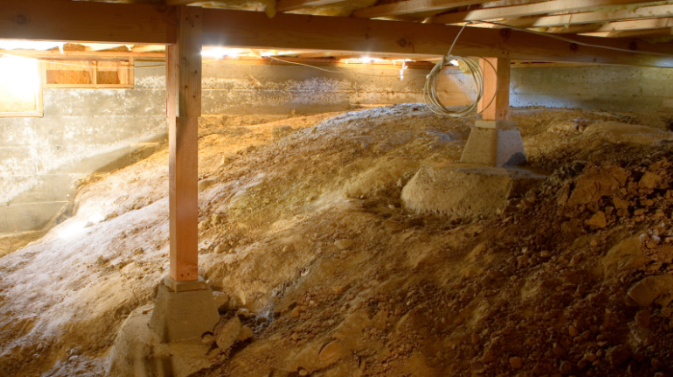
- Look for soft soil, standing water, or mud pockets.
- Check for damp or discolored areas on the ground.
- Examine vapor barrier coverage and look for tears or missing sections.
- Feel for moisture on joists or subflooring.
A dry crawlspace is the foundation of effective winter crawlspace maintenance.
Moisture issues in winter are especially harmful because cold temperatures slow evaporation.
Any water that enters tends to stay longer, increasing the risk of mold growth and wood rot. If water appears after heavy rain, pay close attention, as this often signals drainage problems that will worsen during freeze-thaw cycles.
Wood and Structural Review
- Inspect beams and joists for dark spots, softness, or visible rot.
- Look for nails or metal components showing rust.
- Check for bowing or sagging wood.
Any sign of structural moisture needs attention before winter temperature swings worsen it. As wood expands and contracts in fluctuating temperatures, weakened areas deteriorate faster.
Structural issues caught in winter are far easier to address than those discovered after months of ongoing moisture.
Insulation Assessment
- Look for sagging, fallen, or wet insulation.
- Touch insulation to confirm it feels dry.
- Check for cold pockets along the subfloor.
- Inspect for pest nesting inside insulation layers.
Poor insulation is a significant cause of cold floors and high heating bills. Winter makes insulation failures much more noticeable; rooms may feel drafty, the HVAC system runs longer, and certain areas of the floor feel colder than others. This part of the checklist often reveals the root cause of rising utility costs during the winter months.
Humidity and Airflow Evaluation
- Look for condensation on pipes or ductwork.
- Check for musty or damp smells.
- Note any drafts coming from vents or open gaps.
- Make sure vent areas are sealed for winter if your crawlspace is conditioned.
Humidity spikes during winter thaws can trigger mold growth without warning. Even a few warm days can cause condensation to form, feeding dormant mold. Please pay close attention to musty smells; they often indicate mold activity long before visible growth appears.
Pest and Entry Point Check
- Look for droppings, small holes, or shredded insulation.
- Check gaps near plumbing, wiring, or foundation openings.
- Examine ductwork for chew marks.
- Inspect the perimeter for loose vent covers or cracks.
Pests move into crawlspaces as soon as temperatures fall. Winter is when rodents, insects, and other wildlife seek shelter, and crawlspaces offer warmth, insulation, and protection from moisture. Entry points that seem minor can lead to entire infestations within weeks. Sealing these gaps now prevents damage that can escalate quickly in cold weather.
Mechanical and System Review
- Look for rust or condensation on HVAC components.
- Ensure sump pumps (if present) are functioning.
- Confirm dehumidifiers are running and draining correctly.
- Check duct joints for air leaks.
Mechanical failures are easier to prevent than repair in freezing temperatures. Cold weather stresses electrical components, drainage systems, and HVAC equipment, especially if moisture is already present. A quick systems check today protects your heating efficiency and prevents costly mid-winter breakdowns.
We Support Homeowners All Winter
Seasonal maintenance becomes much easier with guidance from a team that understands how cold weather impacts North Carolina crawlspaces. At Dogwood Crawlspaces, homeowners receive:
- Clear explanations and honest assessments
- Reliable winter service with on-time appointments
- Skilled repair for moisture, insulation, and structural issues
- Moisture control solutions that last
- Friendly communication and workmanship that respects your home
A well-maintained crawlspace protects your family’s comfort, your home’s stability, and your long-term investment.
Stay Ahead of Winter Damage
Cold weather brings challenges, but a few simple checks can keep your crawlspace dry, clean, and protected. If your inspection reveals concerns or if you want expert help confirming the condition of your crawlspace, Dogwood Crawlspaces is here to support you all season.
Protect your home before cold weather hits. Schedule your winter inspection.